
Organized retail crime and internal theft succeed by exploiting routine, anonymity, and delayed response. Loss escalates when security systems function as passive recorders instead of tools aligned to active asset protection investigations.
We operate as a security partner to asset protection teams and stakeholders, aligning video and access control systems to how internal and external investigations are actually conducted. Our focus is closing cases—reducing time to detection, surfacing repeat behavior, and producing clear, defensible evidence.
Where loss is transaction-driven, systems are selected to directly support POS-linked investigations and internal case development. Where external theft and organized retail crime are the primary risk, systems are designed for wide coverage, continuity, and subject tracking across time and locations.
Each deployment is based on the loss profile of the site, not a one-size-fits-all standard. The objective is precision: remove anonymity, expose patterns, and support clean investigative outcomes without increasing disruption on the sales floor.
Fuel station operators
Gas stations lose money constantly, and most of it doesn’t walk out the front door. It leaks out through routine, access, and familiarity. We design systems around how gas stations are actually exploited, not how they’re supposed to operate.
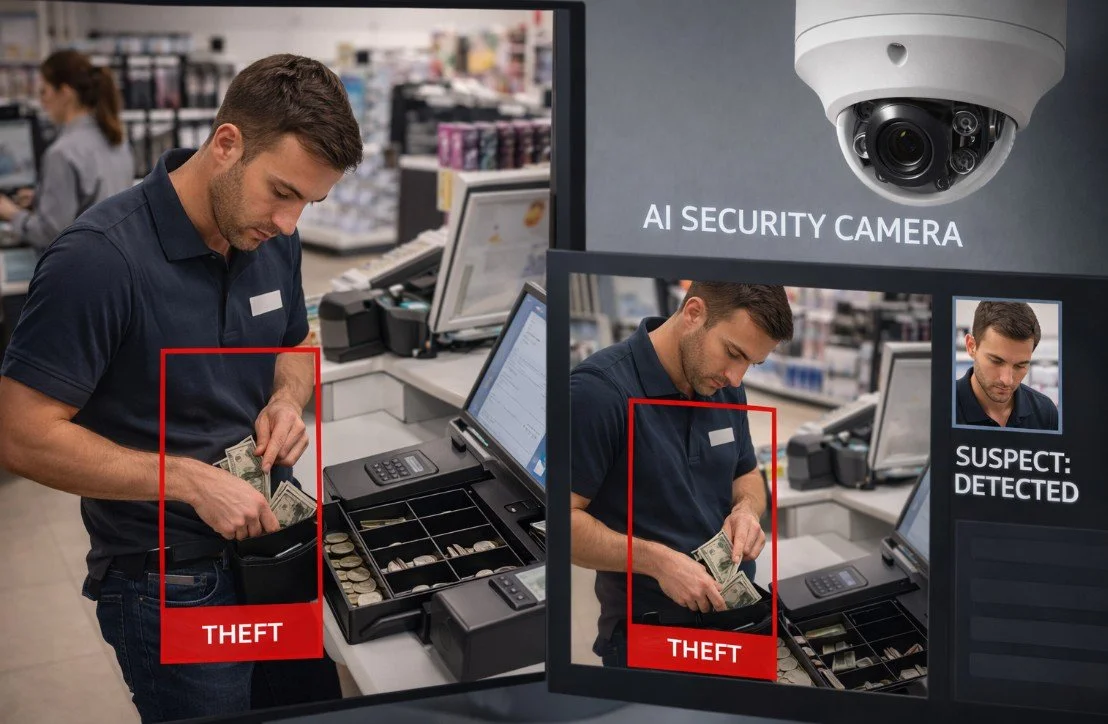
Internal theft is the primary problem. Cash loss happens through no-sale abuse, register skimming, shorting fuel transactions, refund manipulation, and end-of-shift balancing games. Consumption is normalized in these environments: drinks, tobacco, alcohol, food, and fuel taken in small amounts because it feels low risk and hard to prove. Employees learn quickly when they are not being watched and which cameras never get reviewed. That behavior compounds over time.
External theft is fast and opportunistic. Grab-and-go theft, distraction teams, fuel theft, and repeat offenders targeting the same store on different shifts are common. These events are brief, but they are rehearsed. Offenders know where coverage drops, how long staff take to respond, and which exits feel safest.
We combat both by removing anonymity and tightening control where gas stations actually lose money. Video is deployed to maintain continuous visibility over registers, counter space, high-theft merchandise, coolers, pumps, and back-of-house areas. Live surveillance is prioritized so concealment, handoffs, and walkouts can be tracked in real time during an active event where permitted, not reconstructed later.
Internal theft is addressed by documenting routine behavior. Activity is tied to time, location, and shift so small actions repeated over time stop hiding inside daily operations. Access to back rooms, offices, and sensitive areas is controlled and logged so responsibility is clear. Vendor deliveries, fuel access, and after-hours movement are documented without confrontation.

Internal investigations
We understand direct internal theft because we’ve seen how it actually occurs—through routine access, trusted positions, and familiarity with store operations. Dishonest employees and vendors exploit blind spots, procedural gaps, and predictable oversight, often operating quietly over time rather than through isolated incidents.
Effective internal investigations require discretion and precision, not overt surveillance. We understand when covert equipment is necessary and how it must be deployed to preserve normal operations, avoid alerting subjects, and maintain evidentiary integrity. Camera selection, placement, concealment, and analytics are aligned to investigative objectives, not visibility or deterrence.
Our approach supports asset protection teams by enabling clean case development—documenting behavior patterns, correlating access and activity, and producing defensible evidence suitable for internal action, vendor remediation, or escalation when required. The objective is not confrontation, but resolution: identifying loss, confirming responsibility, and closing investigations without disrupting business operations.
Grocery retail
Grocery stores don’t lose money at the front door alone. Most loss happens internally and quietly, spread across cash handling, consumption, fraud, vendor activity, and high-risk departments. We design systems around those realities.
Cash loss shows up at registers through no-sale abuse, sweethearting, refunds, and void manipulation. Consumption happens in breakrooms, back aisles, and coolers where product is taken in small amounts and written off as shrink. Vendor fraud and receiving loss occur at docks and back doors where oversight is assumed instead of verified. High-value departments like alcohol, health and beauty, meat, and seafood lose product through both internal handling and coordinated external theft because activity blends into normal work.
We combat this by placing visibility and accountability exactly where loss occurs. Video is deployed to support live surveillance during active events and to document repeat behavior over time. Coverage is designed to follow product movement, not just entrances. Concealment, handling, and exit behavior can be observed in real time where permitted, allowing staff to respond through policy instead of guesswork.
Internal theft is addressed by tying activity to time, location, and access. Back-of-house areas, receiving, cash offices, and restricted departments are controlled and documented so routine abuse stops hiding inside daily operations. Vendor and after-hours activity is logged and reviewable without confrontation.
Our systems are built to be easy to use. Live views, alerts, and review tools are simple enough that store managers can operate them confidently, while still giving loss prevention teams and regional leadership the depth they need. The result is faster response, clearer evidence, and consistent enforcement across stores without slowing operations or adding friction.
Softline’s Retailers
Softline’s retailers lose product internally first, externally second. Most shrink is created by routine abuse that blends into daily operations and goes unchallenged. We design systems around that reality.
Internal loss shows up through sweethearting at POS, return fraud, markdown abuse, item switching, fitting room manipulation, and backroom handling that never gets questioned. Associates learn quickly where visibility drops off and take advantage of it in small, repeatable ways. Over time, that behavior becomes normalized and invisible unless it is actively documented. We target those pressure points directly.
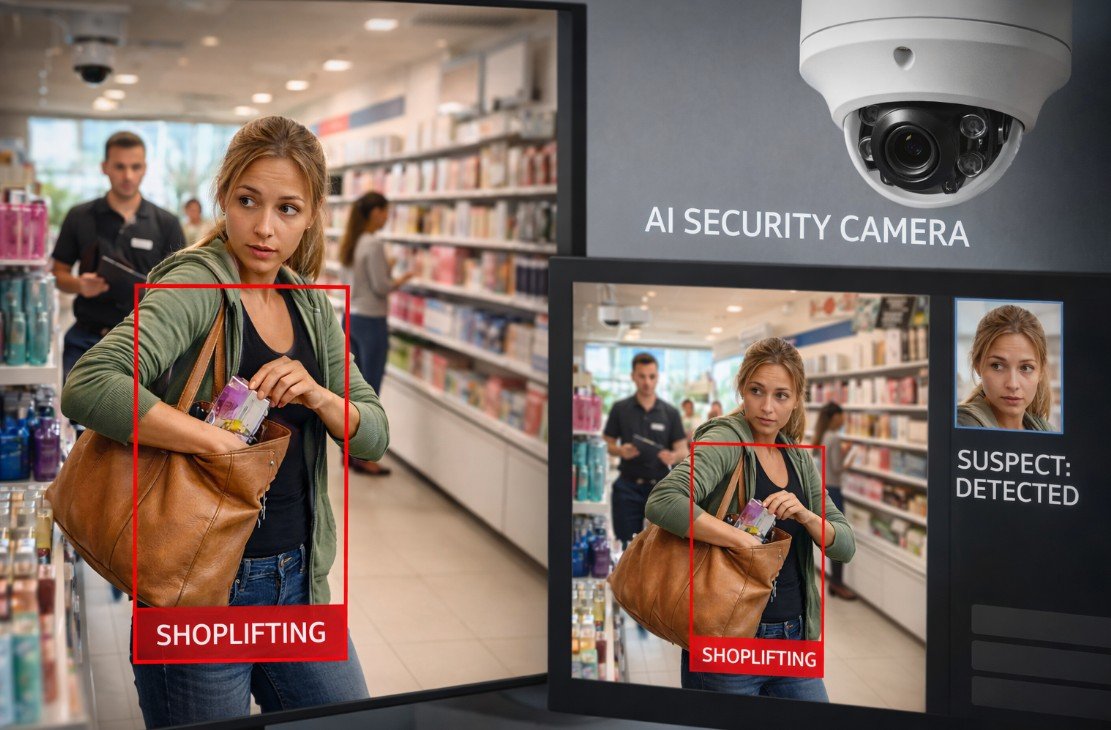
External theft is organized, rehearsed, and repeat-driven. Offenders work fitting rooms, recovery cycles, and high-density racks, watching staff behavior as closely as merchandise. Concealment happens before the exit, not at it. We deploy coverage that maintains continuous visual control from selection to concealment to exit where permitted. Live surveillance is critical during an active event, and systems are designed to allow sustained tracking without losing the subject or relying on assumptions.
Our systems are built the way loss prevention actually operates, from store-level response to regional oversight. Live views are immediate. Events are easy to locate. Review is fast and does not require technical skill. Managers can operate the system confidently without compromising evidence, while LP teams retain the depth needed to identify repeat offenders, internal patterns, and store-to-store trends.
This is not about watching everyone. It is about removing anonymity, tightening routine, and forcing behavior into the open. When activity is visible and attributable, shrink drops. When it isn’t, loss becomes policy. We design systems to prevent the second outcome.