
Commercial and enterprise security fails at the same places every time: doors that don’t close right, hardware that’s been modified too many times, access control layered on top of code issues no one wants to deal with. That’s where we spend our time. We walk live sites, look at how doors are actually being used, and correct the physical and electronic problems that quietly undermine security and safety.
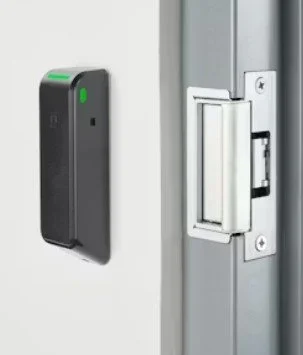
We repair and deploy proper locking hardware, not shortcuts. Electrified locks, strikes, panic devices, closers, and door components are evaluated for function, durability, and compliance. Doors are corrected so they latch, close, and release the way they are supposed to, without violating ADA requirements, fire code, or safe egress. Access control is engineered to work with the door and life-safety systems, not fight them. If a setup isn’t compliant or isn’t safe, it gets corrected.
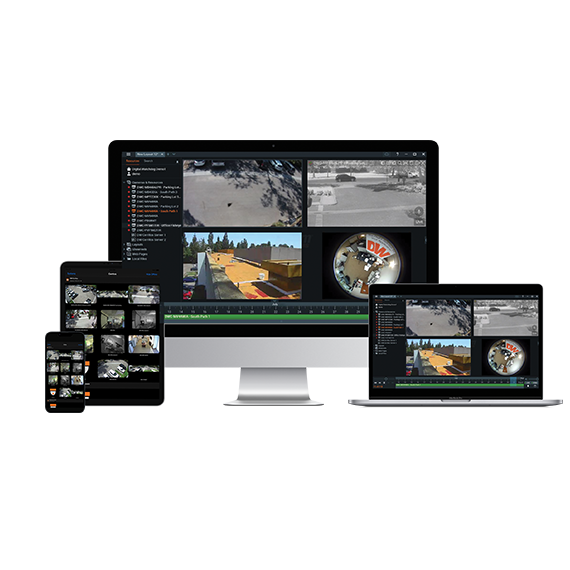
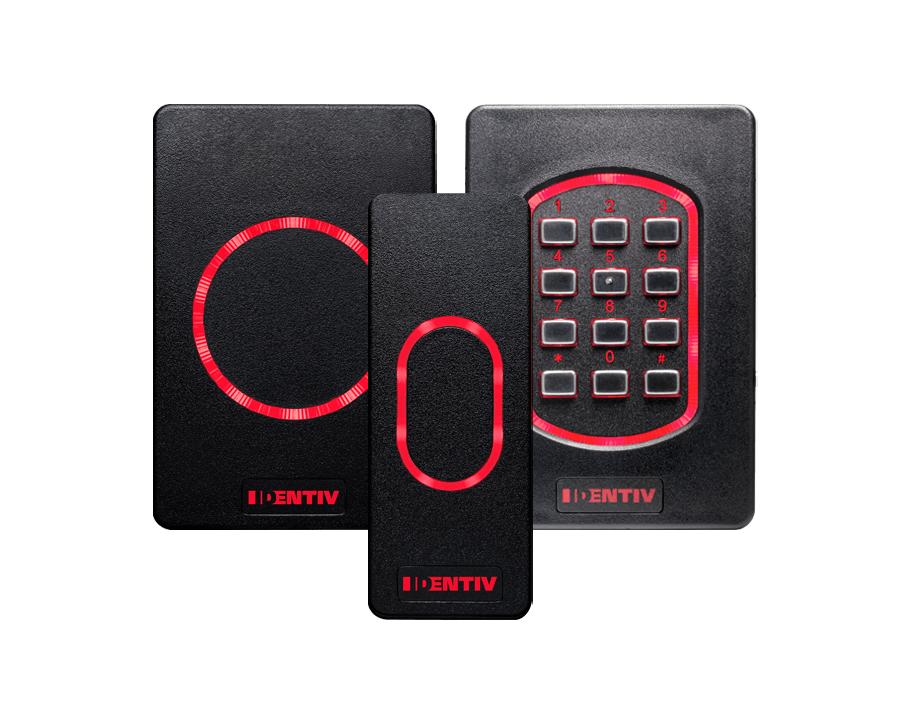
Access control systems are built on Identiv Hirsch platforms to enforce disciplined credential use, clear audit trails, and reliable control across doors and gates. Video surveillance is deployed to support real operations and investigations, not just recording. Digital Watchdog CCTV provides stable, scalable video for commercial and enterprise environments, with Pelco cameras used where coverage distance, lighting conditions, or environmental exposure demand something heavier.
We don’t treat systems as finished once they’re turned on. Hardware wears, buildings change, and bad modifications creep in over time. We service, adjust, and correct systems so they remain safe, compliant, and functional as operations evolve. The goal is simple: security infrastructure that works every day, holds up under pressure, and doesn’t create new problems while trying to solve old ones.
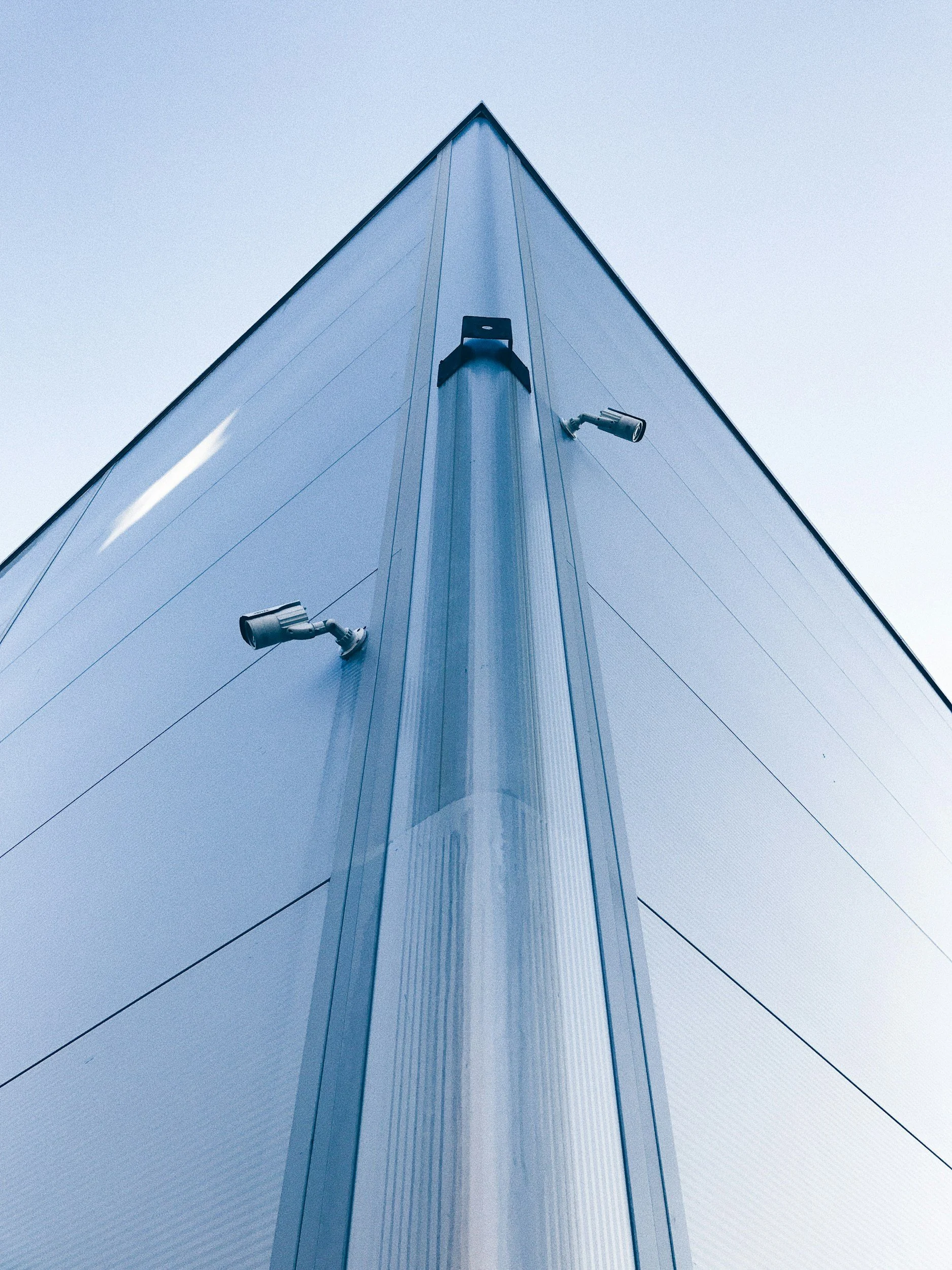
Multi-tenant buildings & Hotels
Multi-tenant buildings and hotels fail in predictable ways: shared spaces, constant turnover, and assumptions about who belongs where. Tenants, guests, vendors, and staff move through the same corridors, entrances, and service areas, creating gaps that traditional security overlooks. We work in active properties to correct and service access control and video systems so movement through shared and restricted spaces is visible, documented, and defensible.
Access control is used to clearly separate public, tenant, guest, staff, and service areas. Doors, elevators, garages, and restricted zones are evaluated for function, hardware condition, and life-safety compliance so access rules are enforced without disrupting operations or guest experience. Credentials and permissions are structured to reduce tailgating, shared access, and policy drift that develops over time in mixed-use environments.
Video surveillance is engineered around how these properties actually operate. Cameras are positioned to cover lobbies, corridors, parking areas, loading zones, and back-of-house spaces with angles that support identification and incident review. AI video analytics surface repeat behaviors such as after-hours access, loitering in common areas, unauthorized movement between zones, and activity that doesn’t align with normal tenant or guest patterns. This allows issues to be addressed with evidence instead of assumption.
We service and adjust systems as tenants change, hotel occupancy fluctuates, layouts evolve, and operations expand. The goal is consistent across both environments: reduce gray areas, remove anonymity in shared spaces, and give property managers and operators clear control without adding staff, friction, or constant oversight.
Restaurants & Bars
Restaurants and bars operate in controlled chaos. Cash changes hands quickly, inventory moves constantly, staff rotate, and late hours create gaps that are easy to ignore until they turn into loss or liability. We work in active restaurant and bar environments to correct and service access control and video systems so back-of-house movement, register activity, and after-hours access are visible and documented without disrupting service.
Access control is used to manage offices, liquor storage, back doors, and restricted areas where policy matters but convenience often overrides discipline. Doors and hardware are evaluated for function, safety, and compliance so access control works with the space instead of against it. Improper modifications, failed hardware, and workarounds that creep in over time are corrected.
Video surveillance is engineered around how restaurants and bars actually lose control. Cameras are positioned to cover registers, bar tops, kitchens, storage areas, and entrances with angles that support identification and review. AI video analytics surface repeat behaviors such as no-sale activity, inventory handling anomalies, lingering in closed areas, and after-hours movement that blends into routine. Instead of reacting to missing cash or disputed incidents days later, operators gain early visibility and clear documentation.
We service and adjust systems as menus change, layouts shift, staffing turns over, and hours extend late into the night. The goal is not to watch people constantly, but to remove blind spots, reduce disputes, and keep accountability intact in environments where pace and familiarity make loss easy to miss.
Warehouses, Wholesale, and Production Facilities
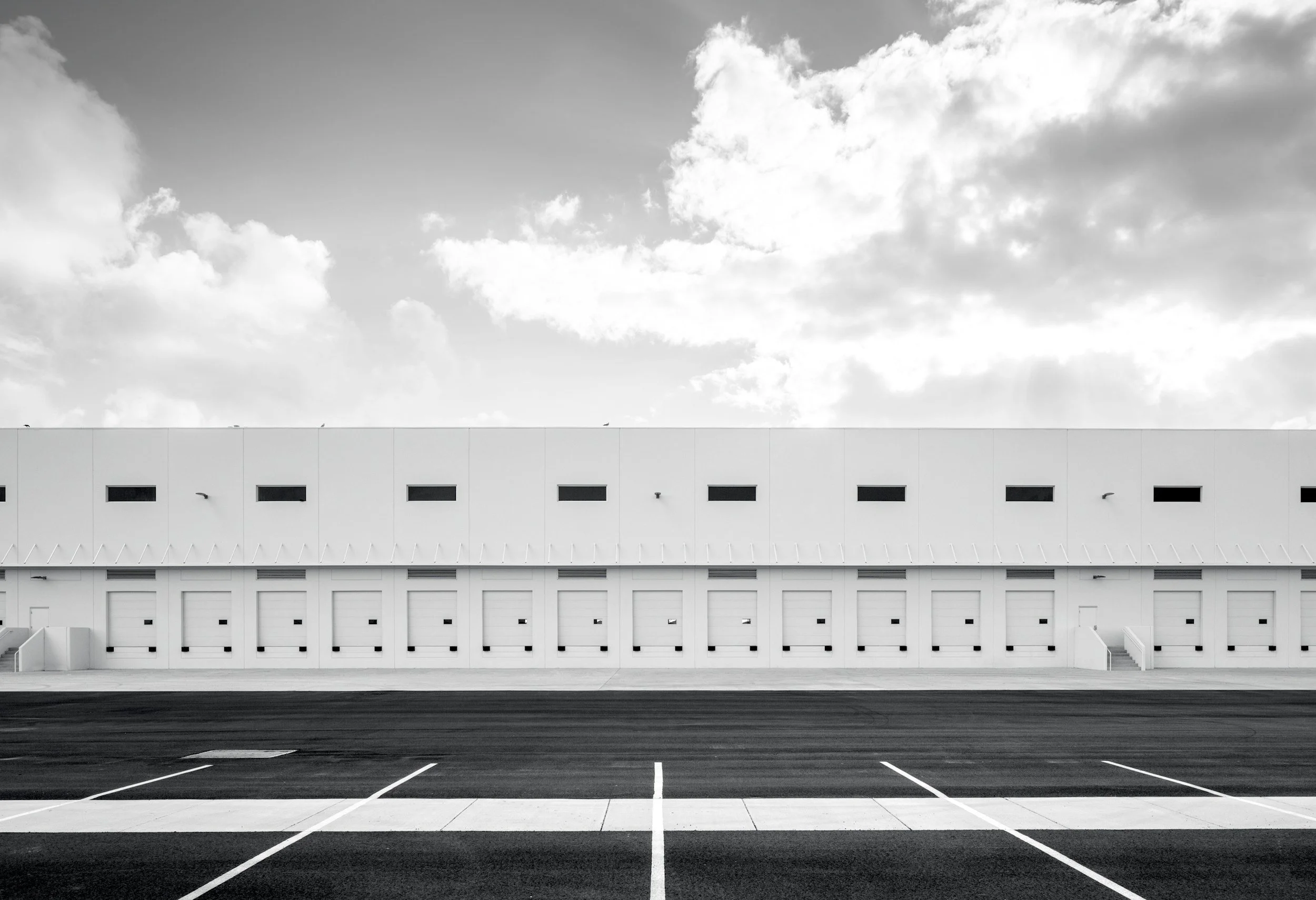
Warehouses, wholesale operations, and production facilities fail in similar ways: scale, repetition, and shared access create blind spots that quietly compound risk. Multiple shifts, contractors, high-value inventory, and after-hours activity blend into routine until loss, safety issues, or liability surface. We work in active facilities to correct and service access control and video systems so movement, handling, and access are visible, documented, and attributable.
Access control is used to enforce separation between docks, production floors, storage zones, cages, offices, and restricted areas. Credentials are tied to roles, shifts, and authorized zones to prevent casual access that leads to policy drift. Doors, gates, and controlled points are evaluated for function, durability, and life-safety compliance so access decisions are enforced consistently without slowing production or compromising safety.
Video surveillance is engineered for wide-area coverage, identification, and documentation across loading docks, production lines, aisles, and perimeter zones. AI video analytics surface repeat behaviors such as after-hours movement, lingering near sensitive equipment or inventory, unsafe access patterns, and activity that does not align with normal workflow. Instead of reacting to incidents after the fact, operators gain early visibility and clear evidence tied to time, location, and behavior.
We service and adjust systems as layouts change, production processes evolve, and staffing shifts over time. The objective remains the same across all environments: reduce blind spots, remove anonymity, and maintain control over complex operations without adding friction, headcount, or constant monitoring.