
Campus Safety and Security Systems
Campus security is built at the door level. When doors fail, systems fail, and accountability breaks down. We focus on correcting and engineering the physical and electronic components that actually control movement across a campus.
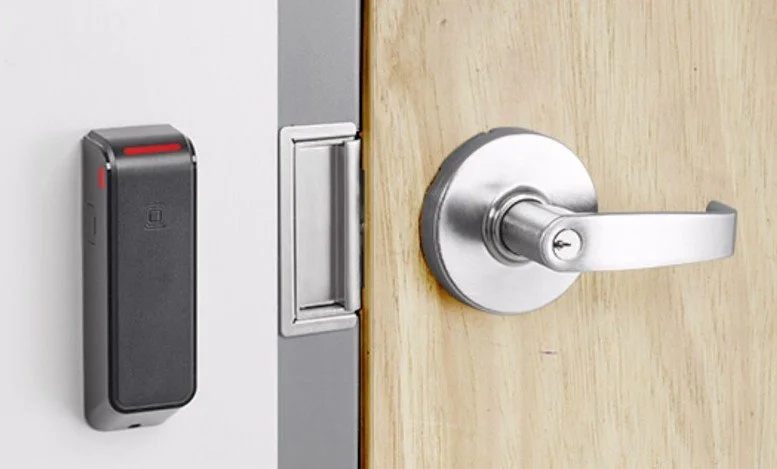
We design, repair, and deploy access control systems that integrate door hardware, life-safety devices, and system logic into a single, reliable platform. This includes electronic strikes, card readers, request-to-exit devices, door position switches, and monitored hardware, all tied directly into access control logic. Doors are evaluated mechanically and electronically. If a door does not close, latch, or release correctly, it is corrected before security is layered on top.
Access control behavior is programmed to reflect real campus operations, including schedules, after-hours access, and lockdown conditions. During a lockdown, doors must secure immediately and consistently across buildings. Any door that fails to behave predictably is a vulnerability, and we address those issues before they matter.
Control hardware is centralized in clean, code-compliant Life Safety enclosures designed for reliability and long-term serviceability. Video surveillance is integrated with access control to verify activity at doors and controlled areas, providing clear documentation and situational awareness without constant live monitoring.
Campus security is not theoretical. It is mechanical, electrical, and operational. We build systems that function day to day and hold together when pressure is real.
Access Control for Schools and Campus Environments
Access control is the foundation of campus safety. Doors, gates, and controlled entry points must enforce who can move, when they can move, and where access is permitted. We evaluate and correct access control systems based on real use, not paper policy. This includes door hardware, panels, credential handling, schedules, and auditability.
Systems are designed to support lockdown procedures without improvisation. When a lockdown is initiated, access control must respond immediately and predictably, securing designated areas while maintaining control at perimeter points. Every access event is logged and attributable, allowing administrators to review decisions made during and after incidents.
Video Surveillance for Visibility and Documentation
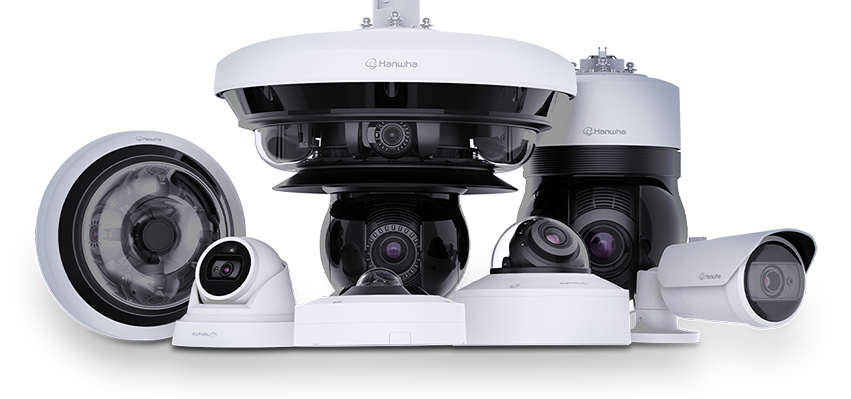
Video surveillance on campus must provide more than recording. Cameras are positioned for identification and documentation at entrances, corridors, common areas, and perimeter zones where activity concentrates. Attention is given to angles, lighting, and resolution so footage is usable during investigations and compliance review.
AI-driven analytics surface after-hours movement, loitering, and repeat behaviors that blend into daily activity. Facial recognition and license plate recognition may be deployed where appropriate to identify known subjects or vehicles without relying on constant live monitoring.
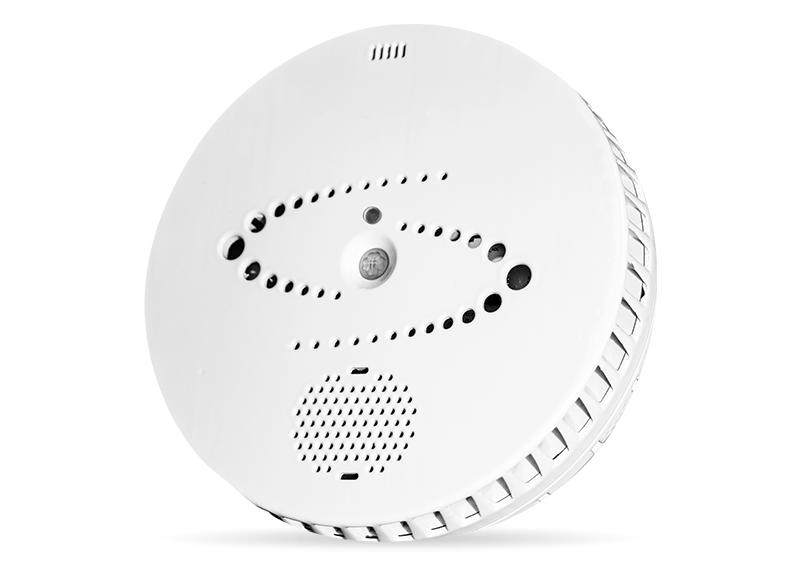
Environmental sensors
Environmental sensors extend campus safety beyond doors and cameras. Air-quality and vapor detection sensors are used to identify smoking, vaping, and unauthorized substance use in restrooms, locker rooms, and other low-visibility areas. When triggered, these sensors generate time-stamped events that are correlated with nearby video and access activity, allowing staff to verify incidents without constant patrols or confrontation. This creates enforceable documentation while reducing disruption to daily school operations.